 how-to
Duralast Design Build's Custom Home Build: 2026 Review Guide
How to get a quote
Table of Contents
- What a Custom Home Build Quote Actually Includes
- Custom Home Building Cost Breakdown: Where Your Money Goes
- Questions to Ask Custom Home Builders Before You Sign
- How to Compare Custom Home Builder Quotes Side by Side
- Why an Integrated Design-Build Team Changes Your Quote
- Rough Estimate vs. Detailed Quote: What to Expect at Each Stage
- Get Your Custom Home Build Quote the Right Way
- Frequently Asked Questions
Last Updated: September 25, 2026
What a Custom Home Build Quote Actually Includes
A custom home build quote is an itemized document that lists every material, labor cost, and allowance for your project, not a single lump-sum number. At Duralast Design Build, we've watched too many homeowners sign a one-page estimate and discover later that it covered almost nothing. The quote is your blueprint for the money, so it deserves the same scrutiny as the floor plan.
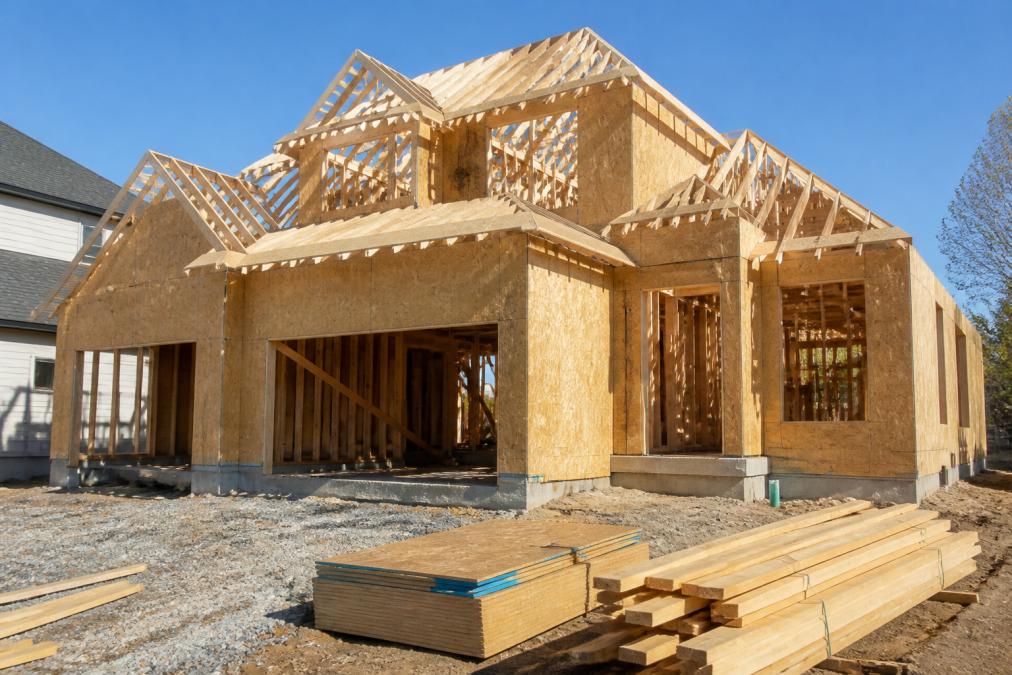
A homeowner and a professional builder reviewing printed blueprints and a detailed quote document together at a kitchen island.
Line Items You Should See in Every Quote
A complete quote breaks your project into categories you can question and adjust. If any of these are missing, ask why before you sign anything.
- Site work: clearing, grading, excavation, utility trenching
- Foundation type and concrete specifications
- Framing, trusses, sheathing, and lumber grades
- Roofing materials, underlayment, and flashing
- Windows, exterior doors, and siding
- Plumbing rough-in and fixture allowances
- Electrical rough-in, panel, and fixture allowances
- HVAC equipment and ductwork
- Insulation, drywall, and interior finishes
- Permits, inspections, and builder fees
Red Flags That Signal an Incomplete Quote
The biggest mistake homeowners make is accepting a quote without allowances spelled out. Watch for vague language like "standard finishes" or "builder-grade fixtures" with no dollar cap attached. Other warning signs:
- A single total price with no breakdown by trade
- No mention of permits or who pulls them
- No stated allowance amounts for tile, lighting, or plumbing fixtures
- No contingency line
- No timeline or payment schedule
Custom Home Building Cost Breakdown: Where Your Money Goes
Every custom home budget splits into two broad buckets: the structure that holds the house up and the finishes that make it yours. Understanding that split helps you see which decisions actually move the number.
Site Prep, Foundation, and Framing
This is the part of your budget you can't see once the house is finished, and it's also the part where surprises hide. Site conditions drive cost more than most homeowners expect. A flat, cleared lot behaves very differently from a sloped one that needs retaining walls or extra fill.
- Site prep: clearing, grading, erosion control, and utility connections
- Foundation: slab, crawl space, or basement, plus waterproofing
- Framing: lumber, trusses, labor, and structural hardware
- Roofing and exterior shell: shingles or metal, siding, and windows
A common mistake is treating these as fixed costs. They aren't. Ask your builder what site assumptions the quote is based on, because that's where the fine print lives.
Finishes, Fixtures, and Contingency
Finishes are where your personality shows up and where budgets drift fastest. Cabinets, countertops, flooring, tile, lighting, and plumbing fixtures are all allowance-driven, which means the quote is really a starting point, not a ceiling.
Set aside a contingency line. Many builders recommend a healthy reserve for the unexpected, and if you're making selections after signing, that reserve matters even more. Ask how change orders are priced before you need one.
Budget Category | What It Covers | Where Costs Drift |
|---|---|---|
Site and foundation | Grading, concrete, waterproofing | Soil conditions, slope |
Structure | Framing, roofing, windows | Material upgrades, design changes |
Mechanical | Plumbing, electrical, HVAC | Fixture and equipment selections |
Finishes | Cabinets, counters, flooring, tile | Allowance overruns |
Contingency | Unforeseen conditions, changes | Anything not capped in writing |
Questions to Ask Custom Home Builders Before You Sign
The right questions to ask custom home builders separate a real partner from a sales pitch. Ask them in person, and pay attention to how comfortable the answers feel.
- Who pulls the permits, and are they included in the quote?
- How are allowances set, and what happens if I go over?
- How do you price change orders once construction starts?
- Who is my main point of contact from design through completion?
- What is your payment schedule tied to?
- How do you handle weather delays and schedule changes?
- Are you licensed, bonded, and insured, and can I see documentation?
How to Compare Custom Home Builder Quotes Side by Side
You can't compare custom home builder quotes by looking at the bottom line alone. Two quotes that land on the same total can cover wildly different scopes. Normalize them first, then compare.
Build a simple grid. List each quote's line items in rows, then note whether each one is included, excluded, or allowance-based. The gaps jump out fast.
- Match scope, not totals: compare line by line, not page to page
- Check allowances: same line item, different cap, different real cost
- Confirm what's excluded: landscaping, fencing, and driveways often are
- Weigh the team, not just the price: an integrated design and construction team reduces the handoffs that cause delays
- Read the payment schedule: front-loaded schedules are a red flag
Why an Integrated Design-Build Team Changes Your Quote
An integrated design-build team produces a more accurate quote because the same people who draw your plans also build them. When design and construction live under one roof, the quote reflects real material takeoffs and real labor, not a designer's best guess handed off to a builder who's never seen the drawings.
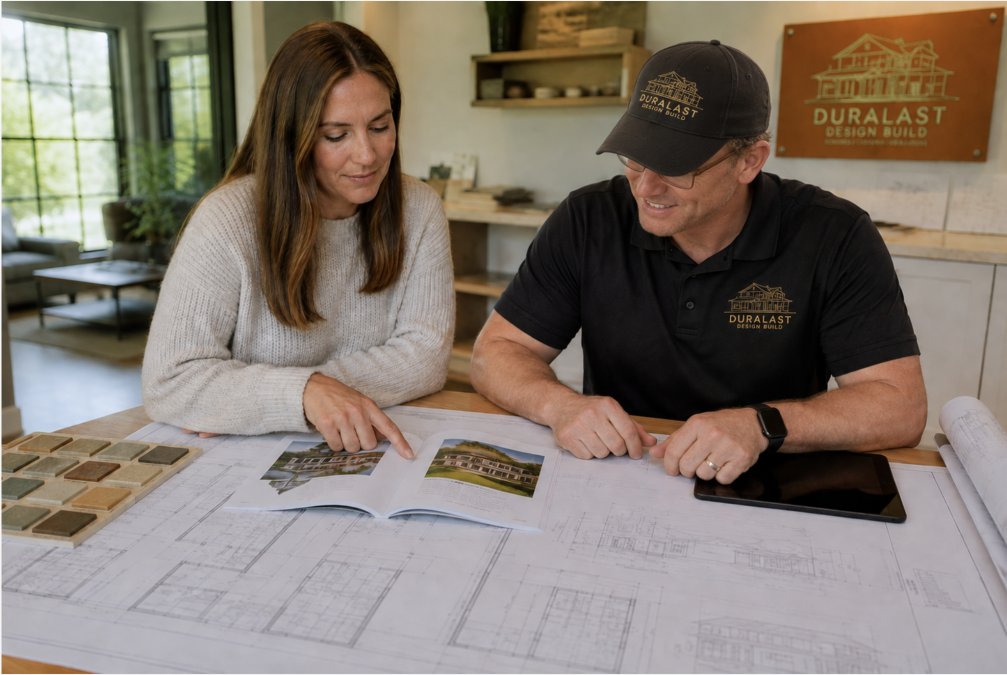
That matters for your budget. Fewer handoffs mean fewer assumptions, and fewer assumptions mean fewer surprises. Duralast Design Build runs design and construction together, so the blueprints you approve are the ones our team builds from. We're a family-owned, licensed, and insured Alabama builder with over two decades of experience, and we're a licensed home builder with the state of Alabama, a CertainTeed Mastercraftsman, and a member of the National Kitchen and Bath Association.
If you've been burned before by a contractor who vanished mid-project, this structure is the answer. One team, one point of contact, one accountable quote.
Rough Estimate vs. Detailed Quote: What to Expect at Each Stage
A rough estimate is a ballpark range based on square footage and general scope. A detailed quote is a line-item document based on completed plans and selections. Knowing which one you're holding prevents a lot of confusion.
- Rough estimate: fast, free, useful for budgeting, not for signing
- Detailed quote: slower, requires plans and selections, meant for contracts
- Firm quote: final numbers with allowances capped and scope locked
Ask your builder which stage you're in. If someone hands you a single number before your plans are drawn, treat it as a starting point, not a commitment.
Get Your Custom Home Build Quote the Right Way
Getting a quote you can actually trust takes the right questions, a line-by-line comparison, and a builder who shows you the math. Most homeowners who end up frustrated skipped one of those steps.
At Duralast Design Build, we walk you through every line of your quote, from site prep to the final fixture, so you know exactly what you're paying for before we break ground. Our integrated design and construction team delivers custom blueprints tailored to your vision, high-quality craftsmanship, and the peace of mind that comes with licensed, bonded, and insured professionals.
Schedule now with Duralast Design Build and get a quote built on real plans, real numbers, and a team that finishes what it starts.
Frequently Asked Questions
What information do I need to provide to get a custom home quote?
You will need your lot address or location, approximate square footage, number of bedrooms and bathrooms, desired style and finishes, and a realistic budget range. If you own the land already, bring the survey and any site restrictions. The more detail you provide upfront, the more accurate your custom home build quote will be. A good builder will walk you through anything you are missing.
How long does it take to receive a quote for a custom home build?
A rough estimate can come back within a few days after an initial consultation. A detailed quote with line-item pricing usually takes two to four weeks because it requires blueprint review, material takeoffs, and subcontractor bids. Timelines vary based on project complexity and how quickly you finalize your design selections. Ask your builder for a specific turnaround window before you commit.
Is a custom home build quote the same as a final contract price?
No. A quote is an estimate based on the scope and selections known at that time. A final contract price locks in after design is complete, permits are pulled, and all selections are confirmed. Changes made during construction, material price shifts, or unforeseen site conditions can affect the final number. Ask whether your builder offers a fixed-price contract or a cost-plus structure before signing.
Should I get multiple quotes for a custom home build?
Yes, getting at least three quotes helps you understand the market range and spot outliers. But do not choose based on price alone. Compare what each quote includes, whether the builder is licensed and insured, and how they handle change orders. A lower quote that excludes site prep or permits will cost you more later.
What is the difference between a rough estimate and a detailed quote?
A rough estimate gives you a ballpark range based on square footage and general scope, useful for early budgeting. A detailed quote breaks down costs by trade, material, and labor line item, so you can see exactly where money goes. The detailed version takes longer to produce but gives you a realistic picture before you commit to a contract.